Leadership18 min read
Deliberate Practice for Leaders: Why Experience Doesn't Make You Better
Deliberate practice is the only reliable way to develop leadership skills. Why years of experience isn't enough, how to practise, and where to start.
Library
Essays and notes on coaching, leadership, and the conversations that shape teams.
Deliberate practice is the only reliable way to develop leadership skills. Why years of experience isn't enough, how to practise, and where to start.
Most new manager training teaches models, not conversations. Here are the conversations every first-time manager actually faces in year one, and how to practise them, from someone who builds conversation simulations for a living.
Ten realistic difficult conversation scenarios for managers, with what people get wrong and what good sounds like, drawn from real practice sessions on an AI roleplay platform.
An honest comparison of crucial conversations training options: the official course, workshops, peer practice and AI simulation, from a practitioner who builds conversation training for a living.
Why sales role play in team meetings fails, what a real practice scenario needs, and five worked sales role play scenarios you can run this week, from a founder who builds sales simulations.
A founder's guide to AI roleplay training: what it is, when it works, when it doesn't, how to run it with teams, and roleplay ideas for sales, support and leadership.
A practical guide to the redundancy conversation: the script structure, the sentence managers avoid, what to say to the wider team, and how to prepare, from someone who builds redundancy conversation simulations.
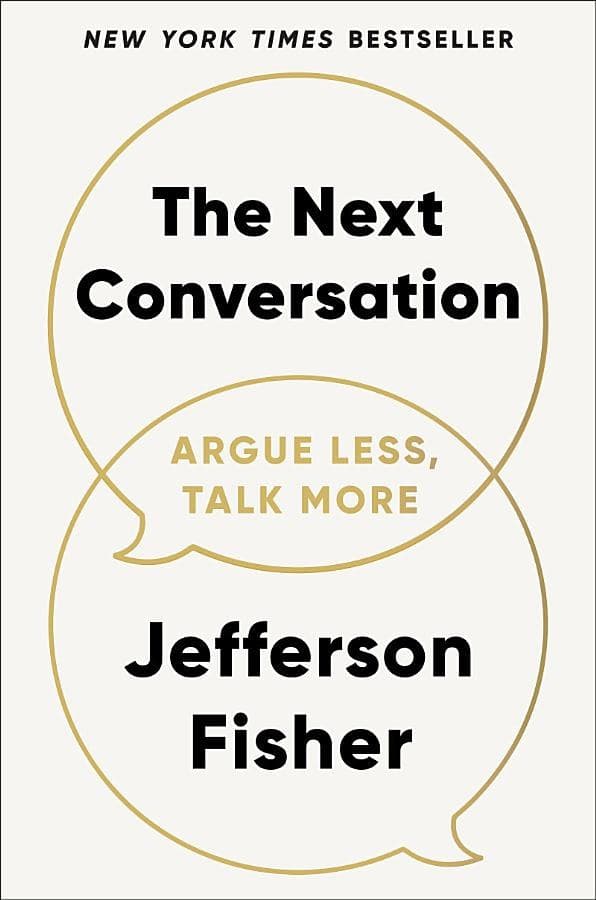
The Next Conversation by Jefferson Fisher is a practical playbook for hard conversations. I use the techniques already. If you liked Crucial Conversations but wanted someone to tell you what to say in the next thirty seconds, start here.
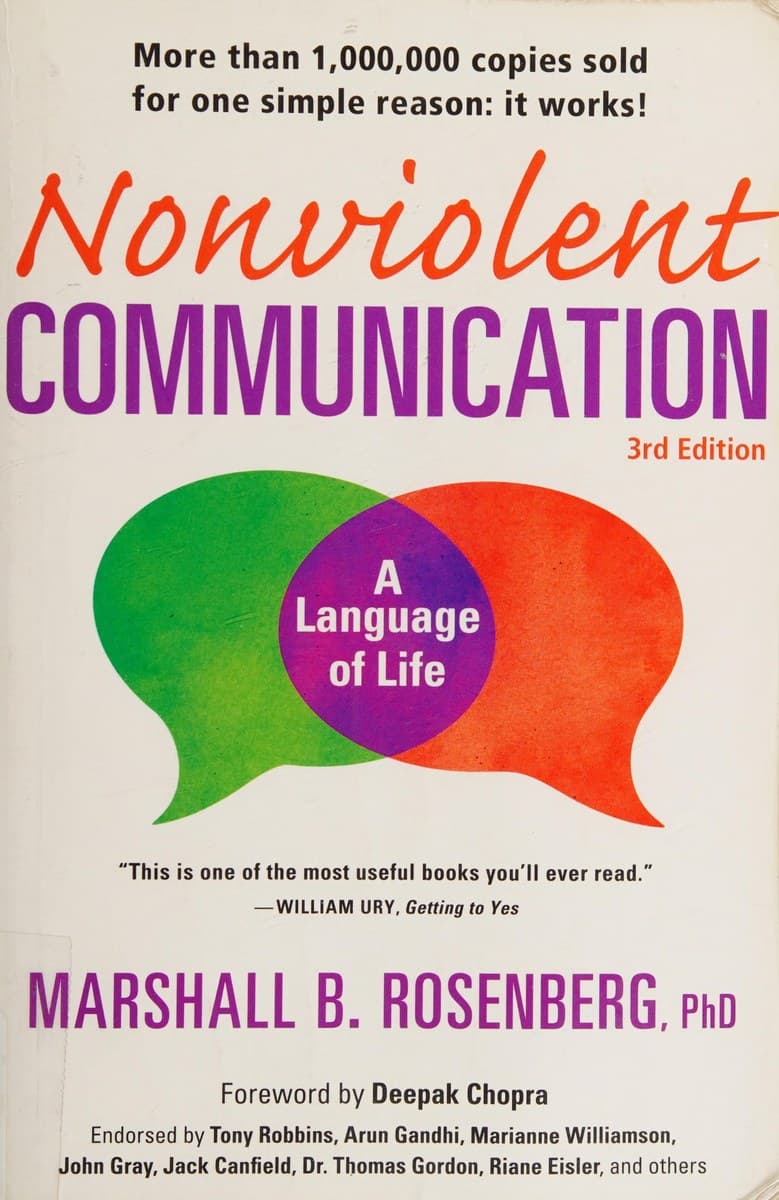
Nonviolent Communication by Marshall Rosenberg is a classic four-step language for saying the hard thing without attack. Observation, feeling, need, request. Simple. I still skip the first step most days.
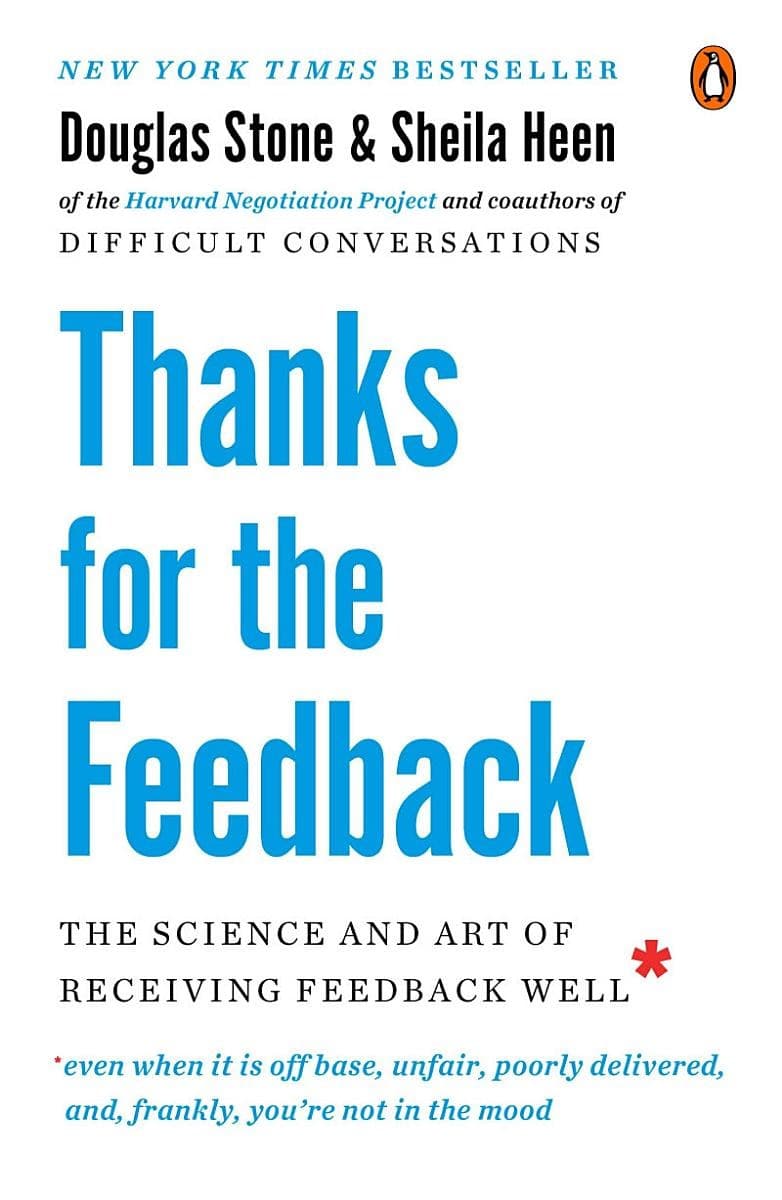
Thanks for the Feedback by Douglas Stone and Sheila Heen is the missing half of Difficult Conversations. Most books teach you how to give feedback. This one teaches you how to hear it without flinching, arguing, or quietly dying inside.
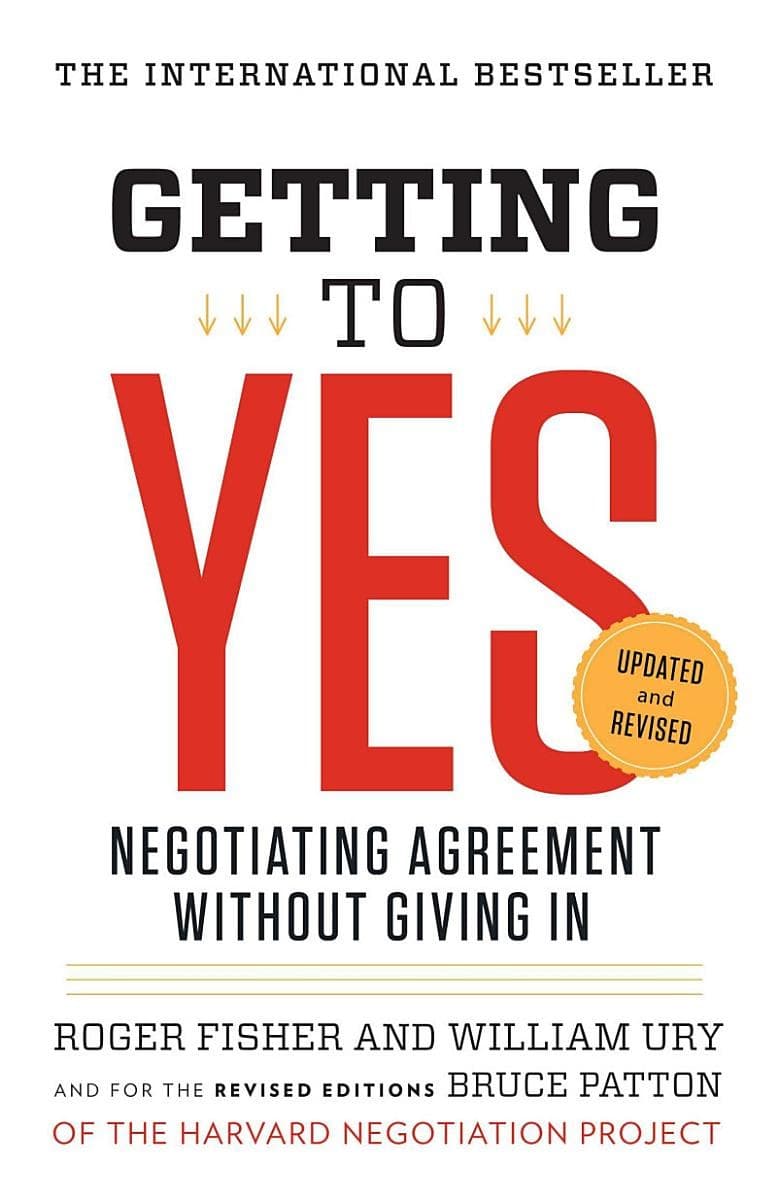
Getting to Yes by Roger Fisher, William Ury, and Bruce Patton is still the negotiation book every leader is quietly quoting. Separate people from the problem. Focus on interests, not positions. Know your BATNA before you walk in.
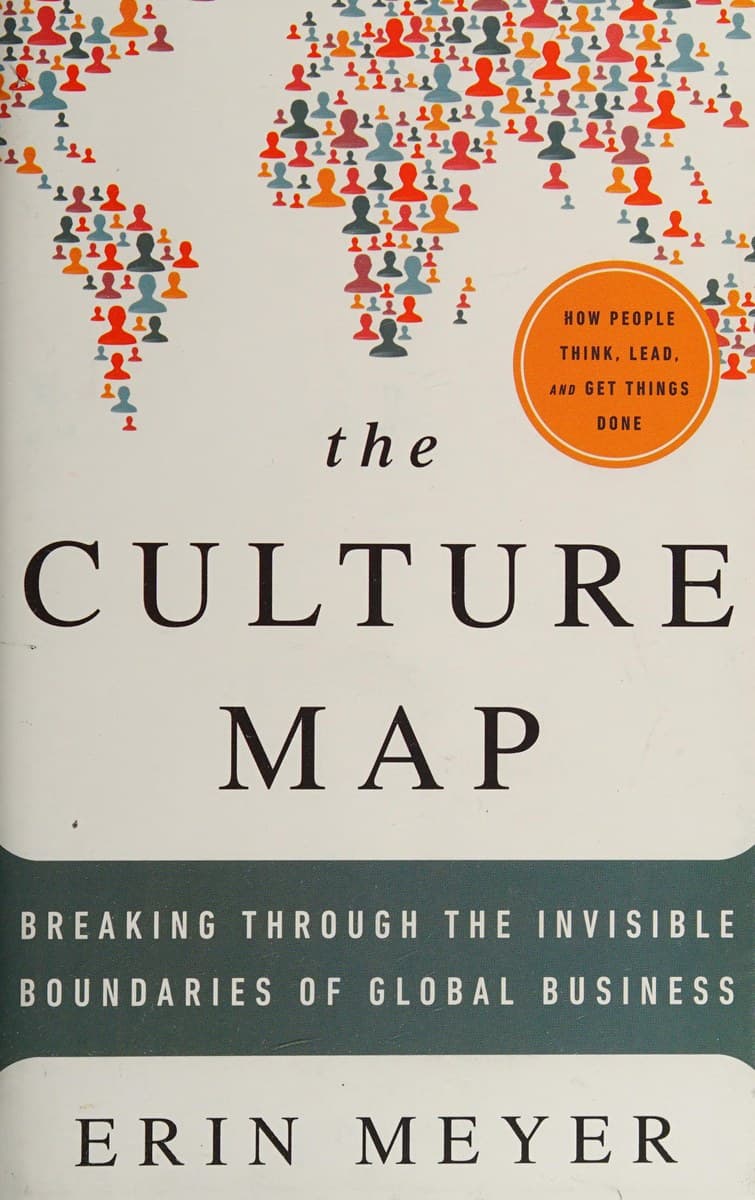
The Culture Map by Erin Meyer is the book I wish I’d had before my first global programme. Eight scales that explain why your 'clear' email landed as rude, and their 'polite' silence was a no.